Performance Anxiety in Men: A Beginner's Guide to Confidence
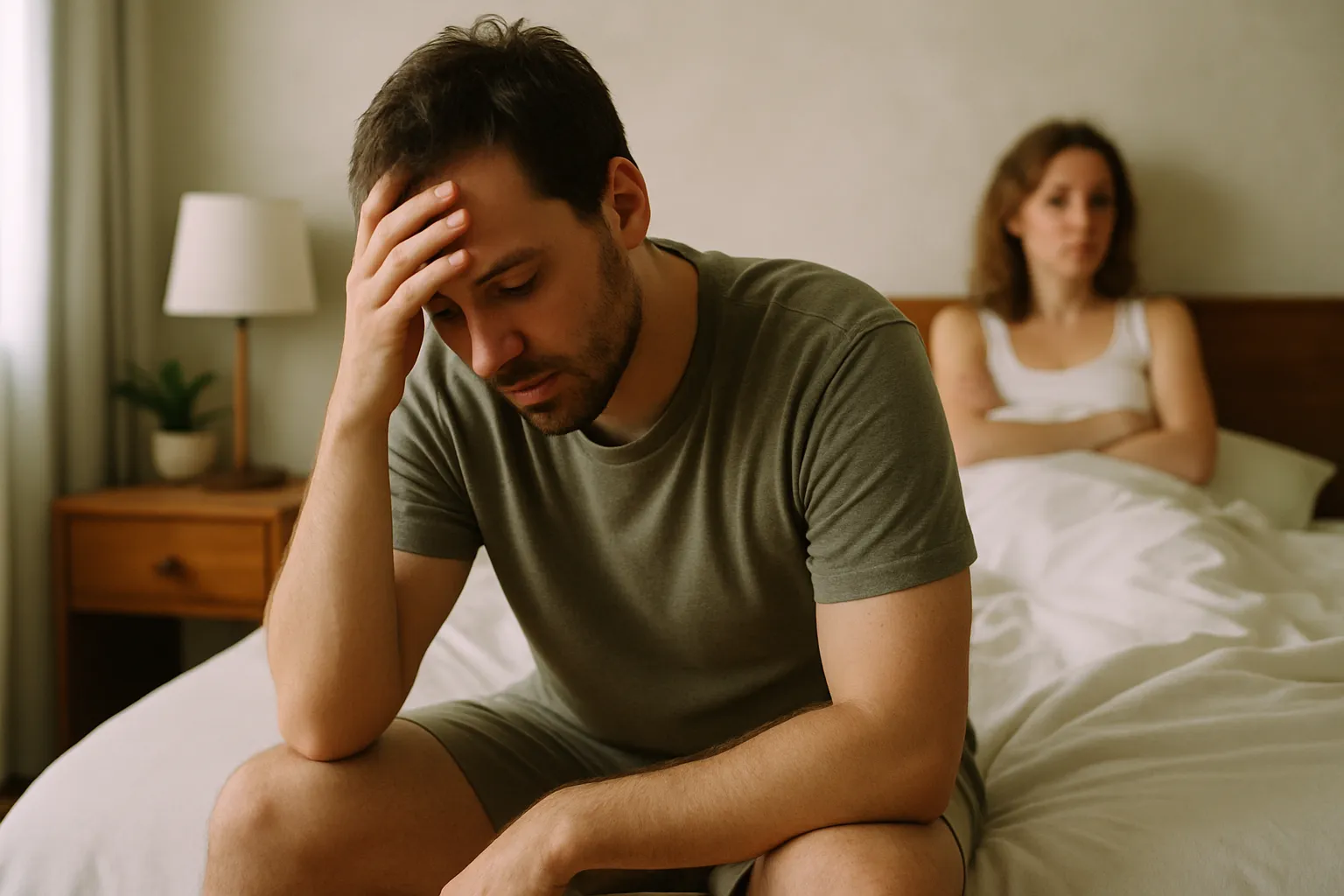
Performance anxiety is the worry or nervousness a man feels about his ability to perform well during intimate moments, and it's far more common than most people realize. If you've ever felt your heart race, your mind go blank, or your confidence dip right when it matters most, you've likely experienced some version of it. The good news is that performance anxiety is understood well enough that there are practical, research-backed ways to reduce its grip over time.
This guide breaks things down from the very beginning, so whether you're just starting to notice the pattern or you've dealt with it for years, you'll walk away with a clearer picture of what's happening and what you can do about it.
What Is Performance Anxiety, Exactly?
Performance anxiety refers to a stress response that shows up before or during a situation where a person feels they're being judged on how well they perform. In the context of intimacy, it usually centers on worries about physical readiness, stamina, or satisfying a partner. It's not a diagnosis in itself but rather a pattern of anxious thoughts and physical reactions that can interfere with connection and enjoyment.
The tricky part is that anxiety and physical performance are closely linked. When the brain senses stress, it triggers the release of stress hormones like cortisol and adrenaline. These hormones prepare the body for a fight-or-flight response, which is the opposite of the relaxed state that intimacy usually requires. This creates a loop: anxiety leads to physical difficulty, which leads to more anxiety next time.
Why Does This Happen?
There isn't one single cause. Instead, performance anxiety tends to develop from a mix of factors:
- Past experiences. A single awkward or disappointing moment can create lingering worry about it happening again.
- Unrealistic expectations. Media, social comparisons, and myths about what "normal" performance looks like can set an unattainable bar.
- General stress. Work pressure, financial stress, or relationship tension can spill over into intimate moments.
- Physical health factors. Poor sleep, low energy, or circulation issues can make a man feel less confident in his body, which feeds anxious thinking.
- Communication gaps. Not talking openly with a partner about needs or concerns can amplify pressure and assumptions.
Understanding that this is a common, explainable pattern — not a personal failing — is often the first step toward loosening its hold.
The Mind-Body Connection
One of the most important things to understand as a beginner is that mental state and physical readiness are deeply connected. Anxiety narrows blood flow and keeps the nervous system in an alert, defensive mode. Relaxation, on the other hand, supports healthy blood flow and allows the body to respond naturally.
This is part of why lifestyle habits that support circulation and overall vitality are often discussed alongside mental strategies. For example, men interested in the physical side of this topic may find it helpful to look into a step-by-step workout approach to support healthy circulation, since better circulation is linked to both physical readiness and a general sense of well-being.
Practical Steps to Manage Performance Anxiety
1. Reframe the Pressure
Instead of viewing intimacy as a performance to be judged, try shifting the mental framework toward connection and shared enjoyment. This small reframe can reduce the sense of being "tested" and lower anxious anticipation.
2. Practice Slow Breathing
Simple breathing techniques — inhaling for four counts, holding for four, and exhaling for six — can help calm the nervous system in the moment. This isn't a cure-all, but it gives the body a chance to shift out of a stress response.
3. Talk Openly With Your Partner
Communication reduces guesswork. Letting a partner know you sometimes feel anxious can relieve pressure, build trust, and often leads to a more relaxed, supportive dynamic. Many men find that simply naming the anxiety out loud makes it feel smaller.
4. Address General Stress Levels
Chronic stress from work or daily life doesn't stay contained — it follows you into every part of your day, including intimate moments. Building small daily habits that support calm and steady energy can make a meaningful difference over time. For simple, sustainable ideas, this piece on daily habits that support natural energy offers a good starting point.
5. Prioritize Sleep and Recovery
Poor sleep raises stress hormones and lowers overall resilience, making anxious thoughts more likely to take hold. Consistent, quality sleep supports both mental clarity and physical stamina.
6. Understand the Role of Hormones
Hormonal shifts can influence mood, energy, and confidence, and they're often misunderstood. If you're curious about how hormones might be playing a role in your overall sense of vitality, this resource on common questions about hormonal balance in men breaks the topic down in approachable terms.
7. Consider Talking to a Professional
If performance anxiety is persistent, affecting your relationship, or causing significant distress, a healthcare provider or licensed therapist can offer personalized guidance. This is especially worth considering if anxiety seems tied to broader patterns of worry or if it doesn't improve with lifestyle changes.
Building Confidence Over Time
Confidence isn't built overnight, and it isn't built by trying to eliminate anxiety completely in one attempt. Instead, think of it as a gradual process:
- Start by noticing your thought patterns without judgment.
- Introduce one small change at a time, such as a breathing practice or an honest conversation.
- Track how your body responds to reduced stress and improved sleep.
- Be patient — mental and physical patterns take time to shift.
Small, consistent steps tend to build more lasting confidence than trying to force a quick fix.
FAQ: Common Questions About Performance Anxiety
Is performance anxiety only a mental issue? Not entirely. While it starts as a psychological response, it has real physical effects because stress hormones directly influence the body's ability to relax and respond naturally.
Can performance anxiety go away on its own? For some men, it eases as confidence builds through positive experiences and reduced stress. For others, it may persist until specific triggers — like unrealistic expectations or communication issues — are addressed.
Does age affect performance anxiety? Anxiety can occur at any age, though the underlying triggers may shift over time, from inexperience in younger men to health or confidence concerns in older men.
Final Thoughts
Performance anxiety is a common, understandable response rooted in the connection between mind and body. By reframing pressure, practicing calming techniques, communicating openly, and supporting your overall physical and mental well-being, many men find they're able to approach intimate moments with greater ease and confidence over time.
This article is for informational purposes only and is not a substitute for professional medical advice.