Hormonal Balance in Men: Your Top Questions Answered
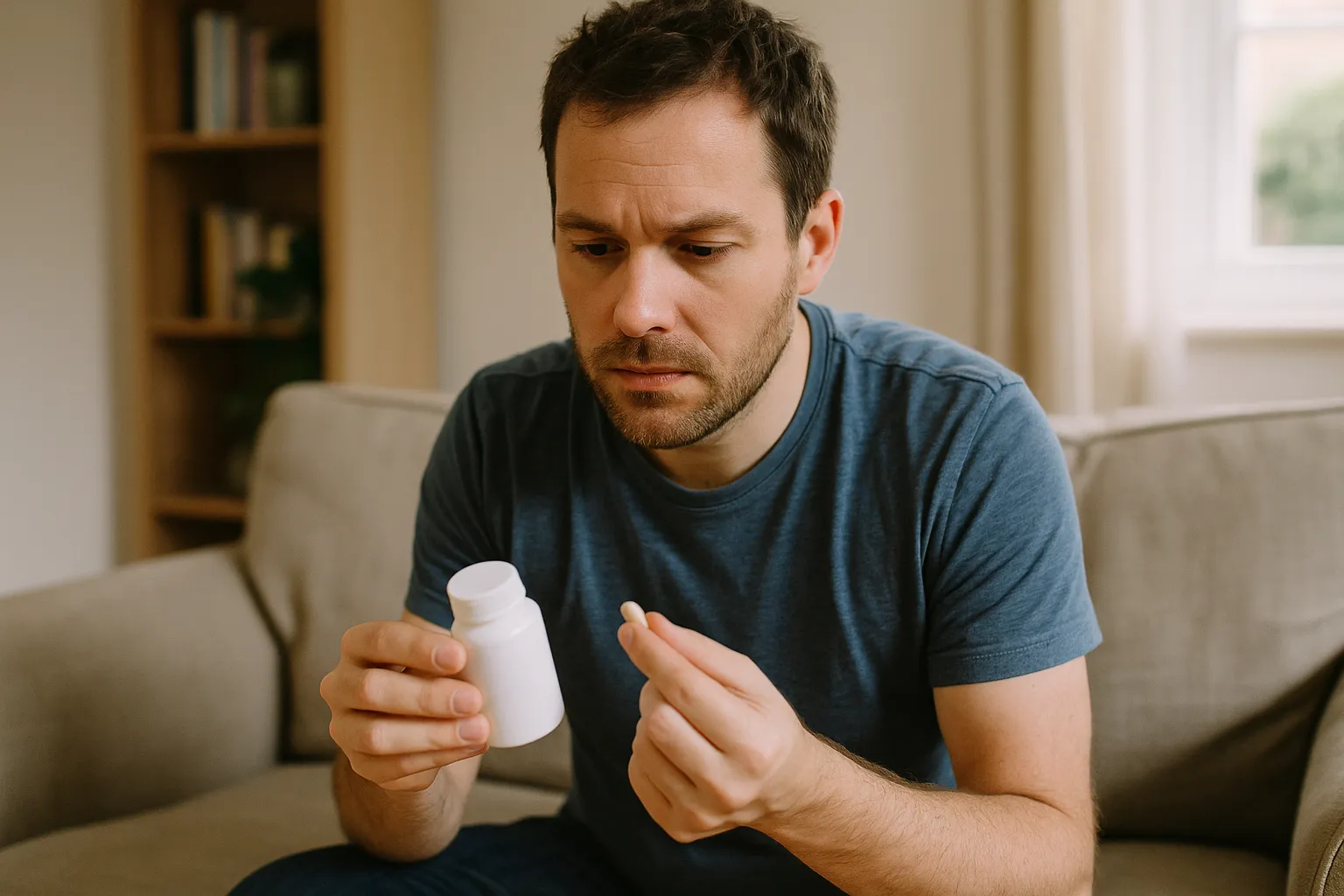
Hormonal balance is one of those phrases that gets tossed around a lot, but many men aren't quite sure what it actually means for their day-to-day energy, mood, or physical performance. In simple terms, hormonal balance refers to the body maintaining steady, appropriate levels of key hormones—like testosterone, cortisol, and thyroid hormones—so that systems like metabolism, muscle repair, and stress response all work smoothly together. When this balance shifts, even slightly, men may notice changes in energy, motivation, sleep, or stamina. Below, we answer the most common questions men ask about this topic, using a straightforward, research-aware approach.
What Does Hormonal Balance Actually Mean?
Hormones act like chemical messengers, and your body relies on many of them working in coordinated ratios rather than isolation. Testosterone, for example, doesn't operate alone—it interacts with cortisol (the stress hormone), insulin, and thyroid hormones to regulate energy use, mood stability, and physical recovery. When one hormone runs consistently high or low relative to the others, it can create a ripple effect that shows up as fatigue, reduced motivation, or slower recovery after physical activity.
It's worth noting that hormone levels naturally fluctuate throughout the day and across a man's lifespan. A single low reading isn't necessarily a red flag—what matters more is the overall pattern and how a person feels functionally over time.
Why Do Hormone Levels Change With Age?
Testosterone levels in men typically peak in early adulthood and then gradually decline—often by about 1% per year starting in the 30s, according to widely cited research in endocrinology. This is a normal part of aging, not necessarily a medical problem on its own. However, lifestyle factors can either slow or accelerate this natural decline, including:
- Chronic sleep deprivation
- High or prolonged stress levels
- Sedentary habits and low muscle activity
- Poor circulation and cardiovascular health
- Excess body fat, particularly around the midsection
Because these factors are modifiable, many men find that supporting healthy habits earlier in life helps them feel more energetic and resilient as they age, rather than reversing an already significant decline later on.
What Are Common Signs of a Hormonal Imbalance?
While only a blood test ordered by a healthcare provider can confirm actual hormone levels, some commonly reported symptoms associated with hormonal shifts include:
- Persistent low energy or daytime fatigue
- Reduced stamina during physical activity
- Difficulty building or maintaining muscle mass
- Changes in mood, motivation, or focus
- Disrupted or less restorative sleep
- Reduced interest in physical intimacy
It's important to remember these symptoms overlap with many other conditions, including thyroid issues, poor sleep quality, or nutrient deficiencies. That's why self-diagnosing based on symptoms alone isn't reliable—a proper evaluation from a physician is the only way to know what's actually happening internally.
Does Circulation Affect Hormonal Health?
Yes, and this connection is often overlooked. Hormones are transported through the bloodstream to reach the tissues and organs that depend on them. If circulation is sluggish—due to inactivity, poor cardiovascular conditioning, or vascular stiffness—hormone delivery and cellular response can become less efficient, even if actual hormone production is normal. This is one reason cardiovascular exercise is frequently recommended alongside strategies aimed at supporting hormonal wellness. For a structured approach to this, our guide on how to boost circulation with a targeted workout routine walks through simple exercises designed to support healthy blood flow, which in turn supports overall vitality.
Can Lifestyle Habits Really Influence Hormonal Balance?
Research suggests that several everyday habits play a meaningful role in supporting the body's natural hormonal rhythms, even though they can't override genetics or medical conditions. Habits worth prioritizing include:
Sleep Quality
Most hormone production, including testosterone, occurs in cycles tied to deep sleep stages. Chronically shortened or fragmented sleep has been linked in studies to lower testosterone output and elevated cortisol.
Stress Management
Cortisol and testosterone often have an inverse relationship—when stress hormones stay elevated for extended periods, they can suppress other hormonal processes. Simple daily stress-reduction practices, such as deep breathing or short walks, may help keep this balance in check.
Physical Activity
Resistance training and moderate cardiovascular exercise have both been associated with healthier hormone profiles over time, partly through improved insulin sensitivity and better circulation.
Nutrition and Daily Energy Habits
What you eat and how consistently you fuel your body throughout the day also plays a role in hormonal signaling, particularly around blood sugar regulation. If you're looking for practical, low-effort ways to keep your energy steadier throughout the day, this piece on simple daily habits that support natural energy offers a useful starting point that complements hormonal wellness goals.
How Long Does It Take to Notice a Difference?
This varies significantly from person to person. Sleep and stress-related improvements can sometimes produce noticeable energy changes within a couple of weeks, while adaptations related to exercise, body composition, or long-term habit changes often take several weeks to a few months to become apparent. Hormonal systems are slow-moving by design—they're meant to respond to sustained patterns, not single events, which is why consistency tends to matter more than intensity.
FAQ: Quick Answers to Common Questions
Does age alone cause hormonal imbalance? Not necessarily. Age contributes to gradual changes, but lifestyle factors like sleep, stress, and activity level often play a larger role in how those changes are experienced.
Can diet alone fix hormonal issues? Diet plays an important supporting role, but it works best alongside other habits like exercise, sleep, and stress management rather than as a standalone fix.
When should I see a doctor about hormone concerns? If symptoms like persistent fatigue, low stamina, or mood changes last more than a few weeks and interfere with daily life, it's a good idea to consult a healthcare provider for proper testing rather than guessing at the cause.
The Bottom Line
Hormonal balance isn't a single number or a quick fix—it's the result of many interconnected systems, including circulation, sleep, stress response, and daily activity levels, working together over time. While some hormonal changes are a normal part of aging, supporting your body through consistent, evidence-based habits may help you feel more energetic, focused, and resilient day to day. If you're noticing persistent symptoms, a conversation with a healthcare professional remains the most reliable next step toward understanding what your body actually needs.
This article is for informational purposes only and is not a substitute for professional medical advice.