7 Ways to Support Venous Return for Better Circulation
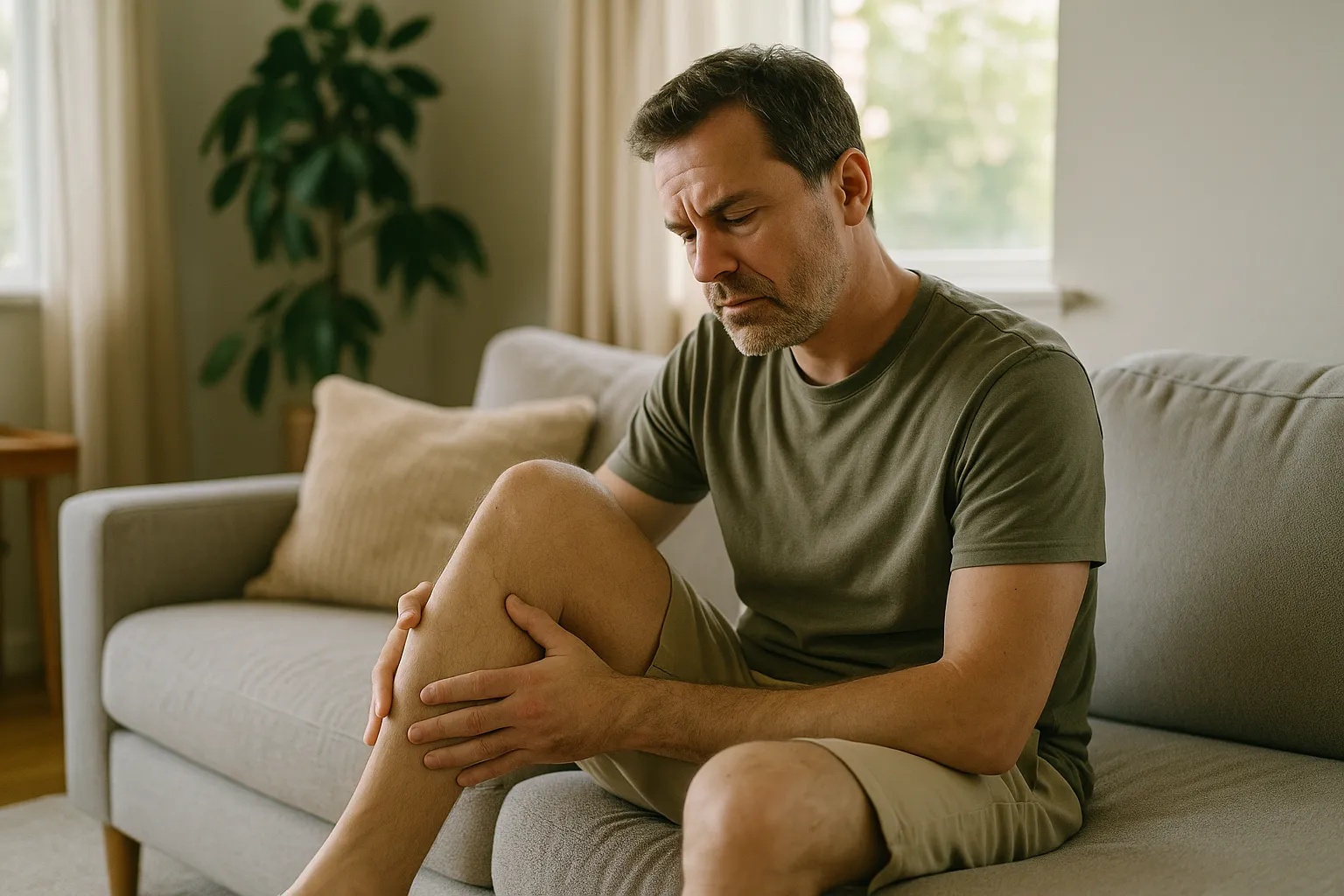
Most circulation advice focuses on getting blood out to the muscles, but venous return—the process of blood traveling back to the heart—is just as important for steady energy, muscle recovery, and overall vitality. When venous return slows down, blood can pool in the lower body, leaving legs feeling heavy and contributing to that sluggish, end-of-day fatigue many men experience. The good news is that venous return responds well to simple daily habits, many of which take only a few minutes to build into your routine.
Below are seven practical ways to support healthy venous return, explained in plain language so you can start applying them today.
1. Activate Your Calf Muscle Pump
Your calf muscles act like a secondary heart, squeezing veins with every step to push blood upward. Long stretches of sitting or standing still reduce this pumping action, which is one reason legs feel heavy after a day at a desk or on your feet.
- Stand up and walk for 2–3 minutes every 30–60 minutes
- Try simple calf raises while waiting in line or during phone calls
- Consider a short walk after meals to keep blood moving
2. Elevate Your Legs Periodically
Gravity works against venous return, so giving your legs a break above heart level can help blood flow move more efficiently back toward your core. This is a quick, low-effort habit that many men overlook.
Try propping your feet up on a cushion for 10–15 minutes in the evening, especially after a day of prolonged sitting or standing. It's a small step, but one that pairs well with other circulation-supportive habits outlined in Circulation Myths vs. Facts Every Man Should Know.
3. Stay Consistently Hydrated
Blood volume and viscosity both influence how easily blood moves through your veins. When you're dehydrated, blood can thicken slightly, making the heart and veins work harder to maintain healthy flow.
- Sip water steadily throughout the day rather than large amounts at once
- Pay attention to urine color as a simple hydration gauge
- Limit excessive caffeine or alcohol, which can contribute to fluid loss
4. Avoid Prolonged Static Positions
Whether it's sitting at a desk or standing for long shifts, staying in one position for extended periods reduces the natural muscle contractions that assist venous return. Over time, this may contribute to a feeling of heaviness or mild swelling in the lower legs.
Set a reminder to shift positions, stretch, or take a short walk every hour. Pairing this with better posture habits can offer additional benefits—something explored in more depth in 7 Ways Posture and Energy Are Deeply Connected.
5. Choose Supportive Footwear and Clothing
Tight clothing around the waist, thighs, or ankles can restrict blood flow and make it harder for veins to do their job. Similarly, footwear that doesn't support a natural walking motion may limit how effectively your calf muscles engage with each step.
- Opt for well-fitting shoes that allow a full, natural stride
- Avoid consistently tight waistbands or compression that isn't medically recommended
- If you stand for long periods at work, consider cushioned insoles to support movement
6. Practice Diaphragmatic Breathing
Deep, diaphragmatic breathing creates pressure changes in the abdomen and chest that assist venous return—sometimes called the "thoracic pump." Shallow chest breathing, common during stress, doesn't provide the same benefit.
Try this simple practice:
- Sit or lie comfortably with one hand on your chest, one on your belly
- Inhale slowly through your nose, letting your belly rise more than your chest
- Exhale fully, feeling your abdomen fall
- Repeat for 2–3 minutes, once or twice daily
This habit also supports broader circulatory and nervous system balance, a theme covered further in How to Support Vagus Nerve Tone for Steadier Hormones.
7. Support Vascular Health Through Diet
What you eat can influence the elasticity and function of the vein walls themselves. Diets rich in fiber, antioxidants, and flavonoids—found in berries, leafy greens, and citrus fruits—may support healthy blood vessel structure over time, which plays a supporting role in efficient venous return.
- Include a variety of colorful fruits and vegetables daily
- Limit excessive sodium, which can contribute to fluid retention
- Prioritize whole foods over heavily processed options
For a deeper look at how vein and artery health work together to support overall vitality, see Vascular Health: The Overlooked Key to Male Vitality.
How Venous Return Connects to Daily Energy
When venous return is sluggish, the heart has to work slightly harder to maintain adequate circulation, and blood can pool in the lower extremities rather than efficiently cycling back to deliver oxygen and nutrients. Over time, this inefficiency may contribute to the kind of heavy-legged, low-energy feeling many men attribute to "just getting older" or "a long day," when in fact it's often tied to movement patterns and circulatory habits that can be adjusted.
If you're curious about your current circulatory status, a simple self-assessment can offer useful insight—check out How to Do a Circulation Self-Check in 7 Simple Steps for an easy way to get started.
FAQ: Common Questions About Venous Return
What exactly is venous return? Venous return refers to the flow of deoxygenated blood from the body's veins back to the heart. It relies on muscle contractions, breathing mechanics, and healthy vein function rather than the heart's pumping action alone.
Can poor venous return cause fatigue? While not a direct medical diagnosis, inefficient venous return can contribute to feelings of heaviness, mild swelling, and sluggishness, especially after long periods of sitting or standing. Supporting circulation through movement and hydration may help ease these sensations.
Is venous return the same as arterial circulation? No. Arterial circulation carries oxygen-rich blood away from the heart, while venous return brings blood back. Both systems work together, but they rely on different mechanisms to function efficiently.
Final Thoughts
Venous return may not be a term you hear often, but the habits that support it—movement, hydration, breathing, and smart dietary choices—are the same foundational practices that contribute to overall vitality and comfort throughout the day. Small, consistent adjustments can add up, helping you feel lighter, more energized, and better equipped for whatever your day requires.
This article is for informational purposes only and is not a substitute for professional medical advice.